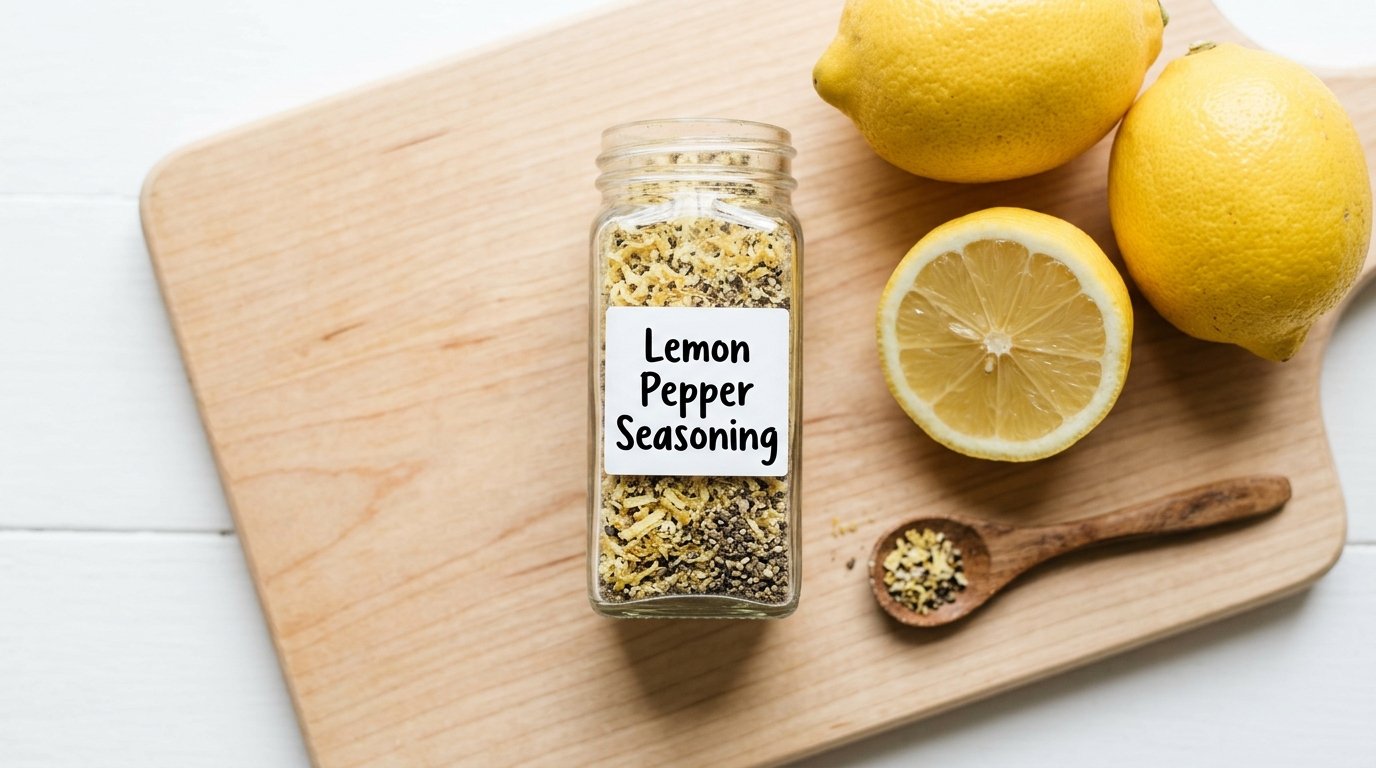
This sad jar in your kitchen cupboard just can’t beat homemade lemon pepper. The only smell you can really pick up is salt and the lemon has long lost its flavour. Most bought lemon pepper seasonings use anti caking agents and extra salt to bulk them out. This means that you’re left with bland chicken and fish dishes. However using real lemon zest will solve this issue.
In this post I’ll show you exactly how to zest and dehydrate your lemons to ensure your lemon pepper seasoning won’t clump. I’ll also give you the exact measurements needed to create a salt controlled mixture. Then we’ll look at how to use it. We’ll also look at some common issues and how to fix them and finally how to store your seasoning. You’ll be left with a jar of vibrant and fresh tasting seasoning that will cost you next to nothing!
Why DIY Lemon Pepper Seasoning Beats the Jar
The citrus oils are contained within the fresh zest. Often jarred mixtures have a heavy amount of dried zest or citric acid, giving them a zingy flavour but not really a lemony one. They can also sit on the shelf for ages. If you make your own you know that the zest has only been in the jar for a day or two and you will notice the difference as soon as you put it on some hot chicken.
You can also control how much salt you add. Many store bought mixtures have salt listed as the first ingredient so you’re paying for salt that is in a lemon flavoured bottle. This mixture contains mainly pepper and zest so you can add salt later if needed. This makes it easy to add to any low sodium dishes. The best bit is that it won’t cost you much more than a couple of lemons and some peppercorns!
What You Need for Fresh Zest Lemon Pepper
This has a short ingredients list. All you’ll need is fresh lemons, whole black peppercorns or crushed pepper (and some salt if you’d like). The rest of the ingredients will be standard kitchen items you’ll likely have. There are few variables here so you’re going to want to make sure they’re of good quality. The amount of lemons and how you zest them will affect the overall taste.
Choosing the Right Lemons
Choose firm lemons with bright yellow skin. Organic lemons are best as you are eating the rind, but any will do as long as they are scrubbed. Wash them in warm water and use a vegetable brush to clean off any wax. Meyer lemons will give you a gentler, more flowery flavor, and regular Eureka or Lisbon lemons will give you a bolder punch. Pat your lemons completely dry so when you zest them the zest doesn’t clump together.
Tools That Make Zesting Easy
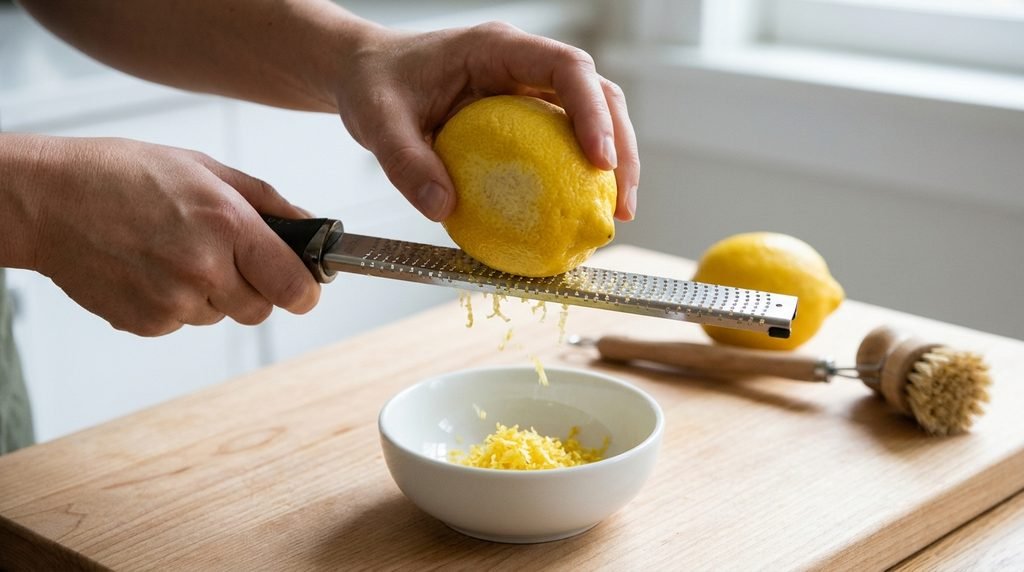
Using a microplane zester will give the best result. It will remove just the yellow part of the citrus without any of the bitter white pith. A vegetable peeler can also be used but then the strips must be chopped or ground. You’ll also need a lined baking tray, a spice grinder or mortar and pestle to grind up the pepper and an airtight jar. A small sieve with a fine mesh will help to give an even powder like consistency.
How to Dry Fresh Lemon Zest
Lemon zest has a lot of moisture in it and mixing it into your spice mix while still damp will cause the mixture to form clumps, darken and even start to mould within days. So drying the zest out will help to lock in those lemon oils and keep your spice mixture light and easy to shake up. To do this you have two easy options to choose from, both will give you a crumbly lemon zest.
Oven Method
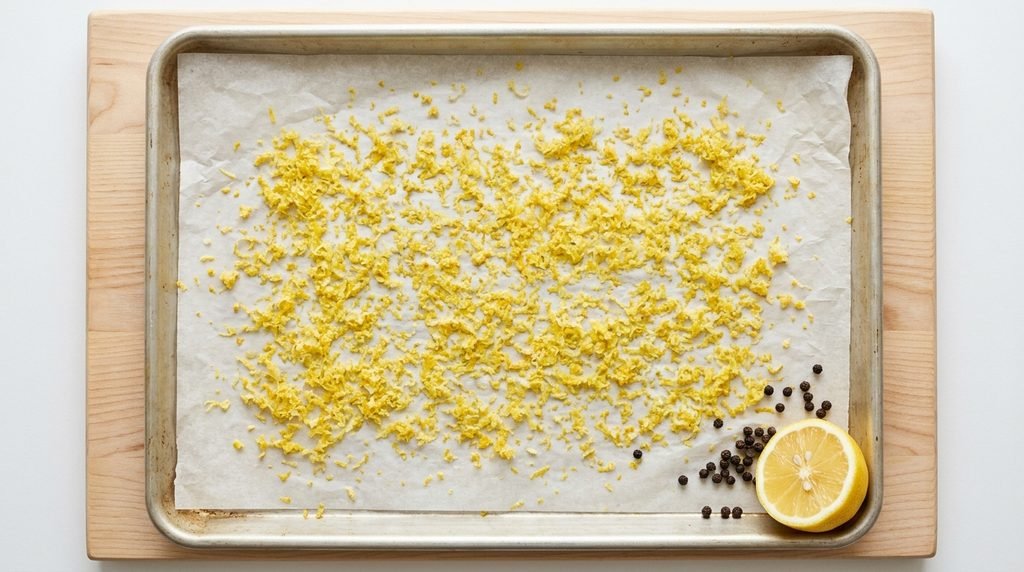
To begin, spread the zest thinly and evenly across a parchment lined baking sheet. Place your oven at its lowest temperature, usually 170-200°F. Bake for 15-20 minutes, stirring every 5 minutes to prevent the edges from browning. Once the zest looks pale and is dry and crumbly to the touch, remove from the oven. Allow to completely cool on the tray, as the zest will become crispier.
Air-Dry Method
If you have time, spread the zest out evenly onto a plate covered with paper towel and place on your countertop. Stir gently once or twice per day. In dry conditions it will be ready in 1-2 days. If you have a humid kitchen, after 2 days check that the zest is not still moist. If so, bake in the oven. Check the zest by pinching a small amount between your fingers. It should be brittle and not bend.
How to Make Homemade Lemon Pepper Seasoning
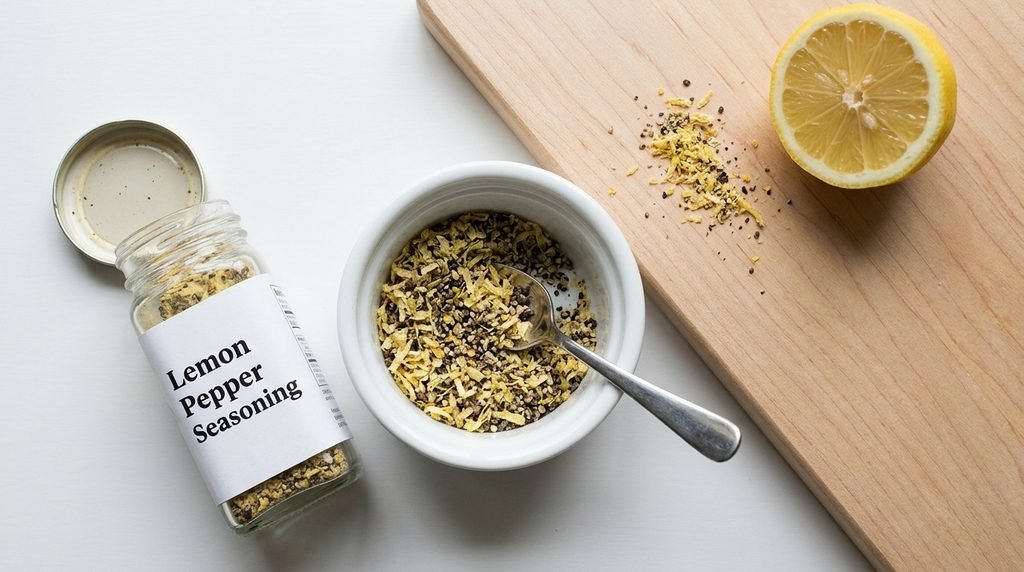
Take the zest from 3 large lemons. This will give you approximately 2 tablespoons of zest. Add 3 tablespoons of coarsely ground black pepper. Mix in a small bowl. The ratio is 1 part zest to 1.5 parts pepper so you’ll get a zesty flavor without overpowering the pepper. Taste a little and adjust to your taste.
For a salt free version, simply leave out the salt. Add salt to your cooking as you go. To make a traditional lemon pepper salt, add 1 teaspoon of fine sea salt. Add the mixture to a clean dry jar. Seal and shake well. For an even distribution of flavors it’s best to pulse everything in a spice grinder. Pulse for 2/3 seconds. Don’t do it for too long as the zest will become too fine.
How to Use Lemon Pepper Seasoning
Lemon pepper can be used on nearly any food! This seasoning shines on poultry like chicken, seafood like fish and shrimp, and even vegetables. It adds great flavor to eggs and popcorn as well. Lemon pepper can be used as a dry rub or added at the end of cooking. Many cooks will do both!
Best Amounts for Chicken, Fish and Veggies
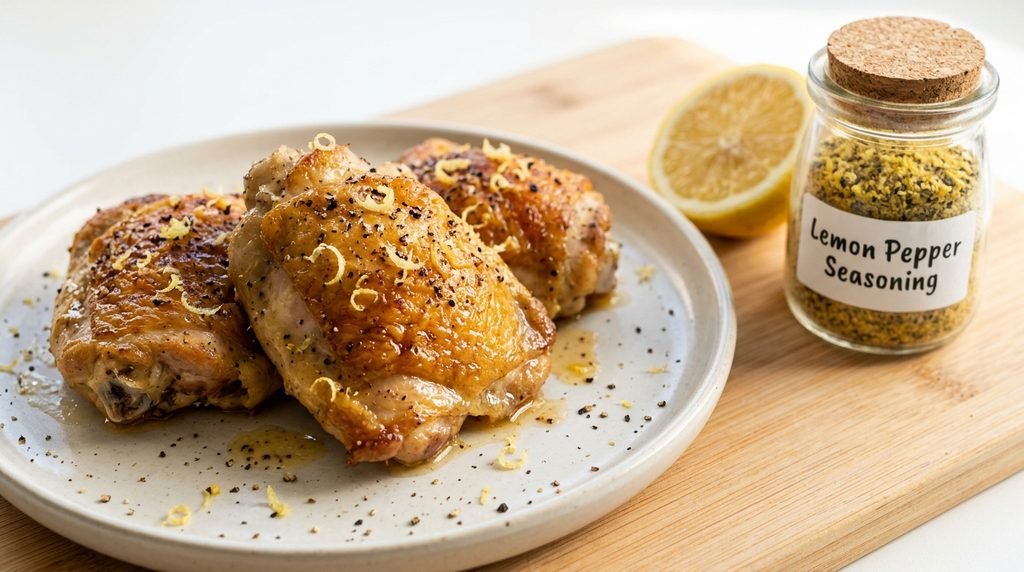
Start with about one teaspoon per pound of chicken, fish or shrimp, then add more after tasting. For vegetables, half a teaspoon per pound is plenty, since roasting concentrates the flavor. Pat meat dry first so the seasoning sticks instead of sliding off. If you used the salt-free version, add a pinch of salt separately. Because the zest burns at high heat, sprinkle half before cooking and half right at the end.
Easy Ways to Add It to Everyday Meals
You will be using this jar of seasoning regularly once it has found its home in your pantry. Sprinkle over melted butter and toss with steamed green beans or asparagus. Mix a little into some mayonnaise to make a tasty sandwich filler. Or add to wings before cooking. It really lifts scrambled eggs, roasted potatoes and rice. A light sprinkling over warm popcorn makes a quick snack that tastes so much better than anything you would get from a shaker.
Fixing Common Problems With Homemade Lemon Pepper
The most common problem is clumping. This is usually caused by dampness. If your mixture is clumping then simply spread it onto a baking tray and bake at a low temperature for a few minutes. This will dry out the mixture. Let it cool completely before putting into jars. Next time try a small amount of mixture. It should be crisp and breakable not bendy. Also storing the jar away from the heat source will help.
If the mixture tastes bitter, this means you have grated into the white part of the rind. To prevent this, grate lightly and stop grating as soon as you see white. If the lemons do not taste very lemony then your lemons may be old or the zest was over dried. Use fresh, aromatic lemons and remove the zest from the oven as soon as it becomes crumbly. Also grind the pepper just before mixing as the pepper will lose its bite very quickly.
How to Store DIY Lemon Pepper Seasoning
Place in an airtight glass container. This will help prevent any lingering smells that can occur with plastic containers. Choose a cool dark place to store your seasonings such as a shelf in your pantry. Avoid hot areas such as the stove and dishwasher. Heat and steam will cause your seasoning to spoil the quickest. The inside of your jar should be completely dry before sealing.
This should be used within 3-6 months for the best flavour. Whilst it will last longer it will begin to lose the lemon scent. Add the date to your label so you know when to use it by. If making a large amount, store a small jar for everyday use and then freeze the remainder in an airtight container. Allow the jar to reach room temperature before opening to avoid condensation causing the seasoning to clump together.
FAQs About DIY Lemon Pepper Seasoning With Fresh Zest
Can I use fresh zest without drying it?
Yes you can, but you will need to use it straight away. Fresh zest will make the mixture sticky and will go off after a couple of days. If you are looking to add some quickly then mix up a little. However, if you want to store some in a jar then always dry the zest.
How long does DIY lemon pepper seasoning fresh zest last?
Store in an airtight glass jar in a cool, dark place for up to 3-6 months for best taste. It will last longer if kept safe but it will lose its lemony smell. If you freeze it makes it last longer. Label the jar to remind you how old it is so you can make another batch when needed.
Is lemon pepper seasoning the same as lemon pepper salt?
Not quite. Lemon pepper is mostly just lemon rind and black pepper. It can be very low in salt. Lemon pepper salt contains a lot of salt. If you make your own you can decide how much salt you want to use. So you could go salt free and add a little while cooking.
Can I make it without salt?
Yes. Salt free, this makes a lovely seasoning using the zest and pepper. You can also season your food with some salt during cooking to give you more control. This can be useful when on a low sodium diet. If you want the traditional version add 1 teaspoon of fine sea salt after mixing.
Why does my lemon pepper taste bitter?
Bitterness is usually caused by the white pith underneath the yellow rind. Grate gently and stop grating as soon as the rind shows white. Overheating will cause bitterness so keep the oven on a low heat and stir regularly. Using old or over ground pepper can also cause bitterness so try to use fresh pepper and pulse briefly.
Can I use bottled lemon juice instead of zest?
No. As it is liquid, it will make your mix too wet and messy. It will also miss out on the essential oils which are in the peel. Add a small pinch of citric acid or squeeze some fresh lemon juice on top just before serving if you want it more tangy.
Final Thoughts on DIY Lemon Pepper Seasoning
Once you’ve made your own lemon pepper seasoning using fresh lemon zest you’ll never go back to the jar again. Just a few minutes zesting, some patience while they dry and a bit of black pepper to add some brightness and freshness. Plus you can choose what salt you want to use, no fillers and just pennies a batch.
Get hold of a couple of lemons this week, make up your first jar and sprinkle over your chicken tonight. Let me know in the comments how you got on! If you love making pantry items like this why not check out our other homemade spice mixes?